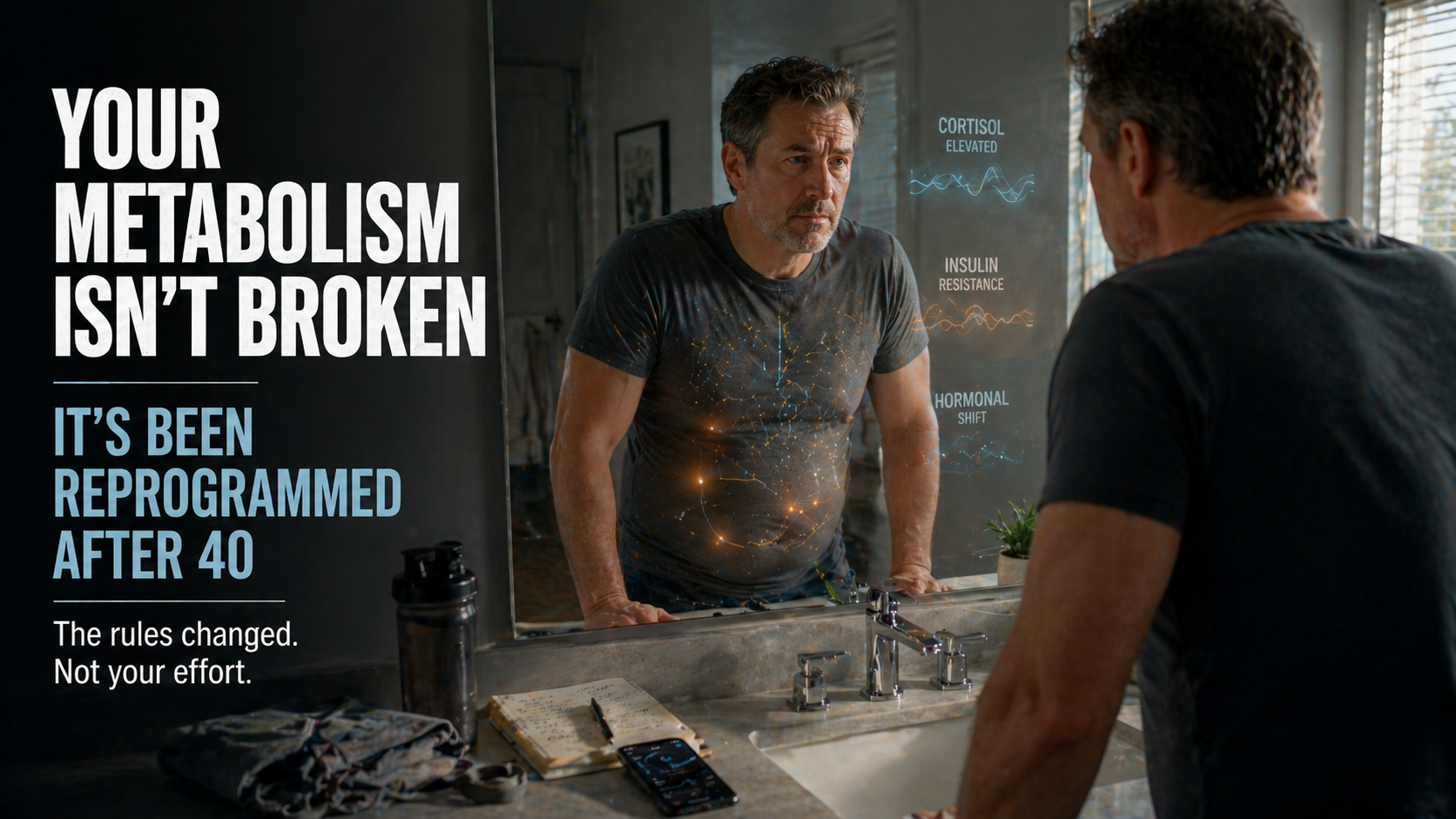
Article: The Perimenopause Puzzle | Dr. Jay Wrigley, NMD
The Perimenopause Puzzle | Dr. Jay Wrigley, NMD
Why energy, mood, and metabolism get weird in your 40s—and a practical roadmap to steady them.
Perimenopause isn’t a switch—it’s a multi‑year transition where ovarian hormone output becomes less predictable. The result can feel like a moving target: sleep disruptions, cycle changes, temperature swings, anxiety, brain fog, and frustrating weight changes. This guide breaks the process into clear pieces you can actually work with.
In this guide
- What is perimenopause?
- Why symptoms happen (in plain English)
- The cortisol connection
- Metabolism, thyroid & glucose
- Smart testing at the right time
- Food foundations that help
- Sleep that restores hormones
- Helpful supplements (general, not medical advice)
- Short answers to common questions
1) What is perimenopause?
Perimenopause is the transition leading up to menopause (defined as 12 months without a period). For many, it starts in the early‑to‑mid 40s and can last 4–8 years. Ovarian output of estradiol and progesterone becomes erratic: some months are high, others are low, and the timing isn’t consistent. Symptoms wax and wane accordingly.
2) Why symptoms happen:
Estrogen swings
Early perimenopause often sees higher highs and lower lows in estradiol. High spikes can trigger breast tenderness, heavier periods, migraines, and irritability. Low dips can bring hot flashes, night sweats, and vaginal dryness.
Not sure which pattern applies to you?
Dr. Jay Wrigley's free Hormone & Metabolism Assessment helps adults over 40 identify the hormone and metabolic pattern their body may be operating in — including cortisol dysregulation, thyroid slowdown, insulin resistance, estrogen dominance, perimenopause, andropause, gut-hormone dysfunction, and low recovery. Educational, not diagnostic.
Take the Free Assessment →Progesterone drops first
Because ovulation becomes less consistent, progesterone—which steadies mood and sleep—often declines earlier. That shift can feel like new anxiety, weepiness, or middle‑of‑the‑night waking.
Layer in normal life stressors and blood sugar swings, and you’ve got a recipe for symptoms that feel random. They’re not random—they’re responsive.
3) The cortisol connection
Your stress system (the HPA axis) talks to your ovaries and thyroid. Frequent spikes of cortisol can worsen hot flashes, cravings, abdominal weight gain, and sleep fragmentation. You don’t need a monk’s schedule to improve this axis—you need repeatable levers:
- Light breaks: 5–10 minutes of outdoor light within 1–2 hours of waking steadies circadian chemistry that controls cortisol and melatonin.
- Buffer the evening: a 10‑minute “downshift” (dim lights, screens to warm tone, breath at 4‑6 cycles/min) reduces nighttime adrenaline.
- Protein at breakfast: 30–40 g protein within 90 minutes of waking improves cortisol rhythm and appetite signals later in the day.
4) Metabolism, thyroid & glucose
Estradiol helps cells respond to insulin. As E2 gets erratic, many notice easier weight gain—especially centrally—even when habits haven’t changed. Thyroid symptoms can also “unmask” as progesterone falls.
- Glucose steadiness: Pair carbohydrates with protein/fat. Favor fiber‑rich carbs (berries, beans, root veg) and time denser starches around your most active parts of the day.
- Protein target: Aim for ~1.6–2.2 g/kg of target body weight per day split across 3–4 meals; include leucine‑rich sources to protect lean tissue.
- Mineral repletion: Magnesium, potassium, and sodium balance can meaningfully influence energy and sleep quality.
5) Smart testing at the right time
Testing is most useful when it answers a decision‑making question. Timing matters: day‑specific labs can be noisy if cycles are irregular.
Baseline labs to discuss with your clinician
- TSH, free T3, free T4; thyroid antibodies as indicated
- Fasting glucose, fasting insulin, HbA1c, lipid panel
- Ferritin, CBC, CMP, B12, folate, 25‑OH vitamin D
- Estradiol, progesterone, LH/FSH (interpret in cycle context)
Note: This article is educational and not a diagnosis or treatment plan. Partner with a clinician for individualized care.
6) Food foundations that help
- Front‑load protein: 30–40 g at breakfast, 25–35 g at lunch and dinner.
- Color & fiber: 5+ cups/day of non‑starchy vegetables + 1–2 servings fruit to support estrogen metabolism and the gut‑hormone axis.
- Smart carbs: Root veg, legumes, berries, and properly prepared whole grains as tolerated.
- Hydration + minerals: Add a pinch of mineral salt to 1–2 waters/day, especially in hot climates or active days.
- Alcohol: If hot flashes or sleep are issues, experiment with a 2–4 week alcohol holiday.
7) Sleep that restores hormones
- Target 7.5–8.5 hours in a cool, dark room; keep caffeine to before noon.
- Consider a wind‑down stack: warm shower, dim lights, magnesium glycinate, and 10 minutes of slow breathing.
- Keep the phone outside the bedroom; use an analog alarm and red‑shifted night lighting.
8) Helpful supplements (general education)
Foundations
- Magnesium glycinate for sleep quality and muscle relaxation.
- OMEGA‑3 (EPA/DHA) to support mood, metabolic health, and inflammation balance.
- Vitamin D3 + K2 as indicated by labs.
Targeted support
- Adaptogens (e.g., ashwagandha, rhodiola) for stress resilience.
- Inositol for glucose support and sleep onset in some.
- Creatine monohydrate for brain and muscle health.
Always review supplements and dosing with your clinician, especially if you use prescription medications or have health conditions.
9) Short answers to common questions
How do I know if I’m in perimenopause?
Irregular cycles plus new symptoms (sleep changes, hot flashes, mood shifts, heavier or lighter flow) in your 40s strongly suggest perimenopause. Labs can support the picture but are not the whole story.
Do I have to just wait it out?
No. Many symptoms improve with circadian rhythm support, nutrient repletion, glucose steadiness, stress‑axis care, and—when appropriate—personalized medical therapy.
What about hormone therapy?
Hormone therapy can be helpful for the right person at the right time. It should be individualized based on goals, risks, and responses—this is best handled with a clinician experienced in women’s midlife care.
Next step: build your personalized plan
If these levers resonate and you’d like a tailored protocol, schedule a consultation with Dr. Wrigley. We’ll review symptoms, labs, and goals, then map a step‑by‑step plan that fits your life.
Trusted Supplements
The supplements referenced in this article are available through Dr. Jay's practitioner dispensary.
Professional-grade formulations — the same brands used in clinical practice. 15% off retail, permanently. No membership required.
Browse Trusted Supplements →
Written by Jay Wrigley