Midlife Hormonal Cascade: Estrogen, Progesterone & More
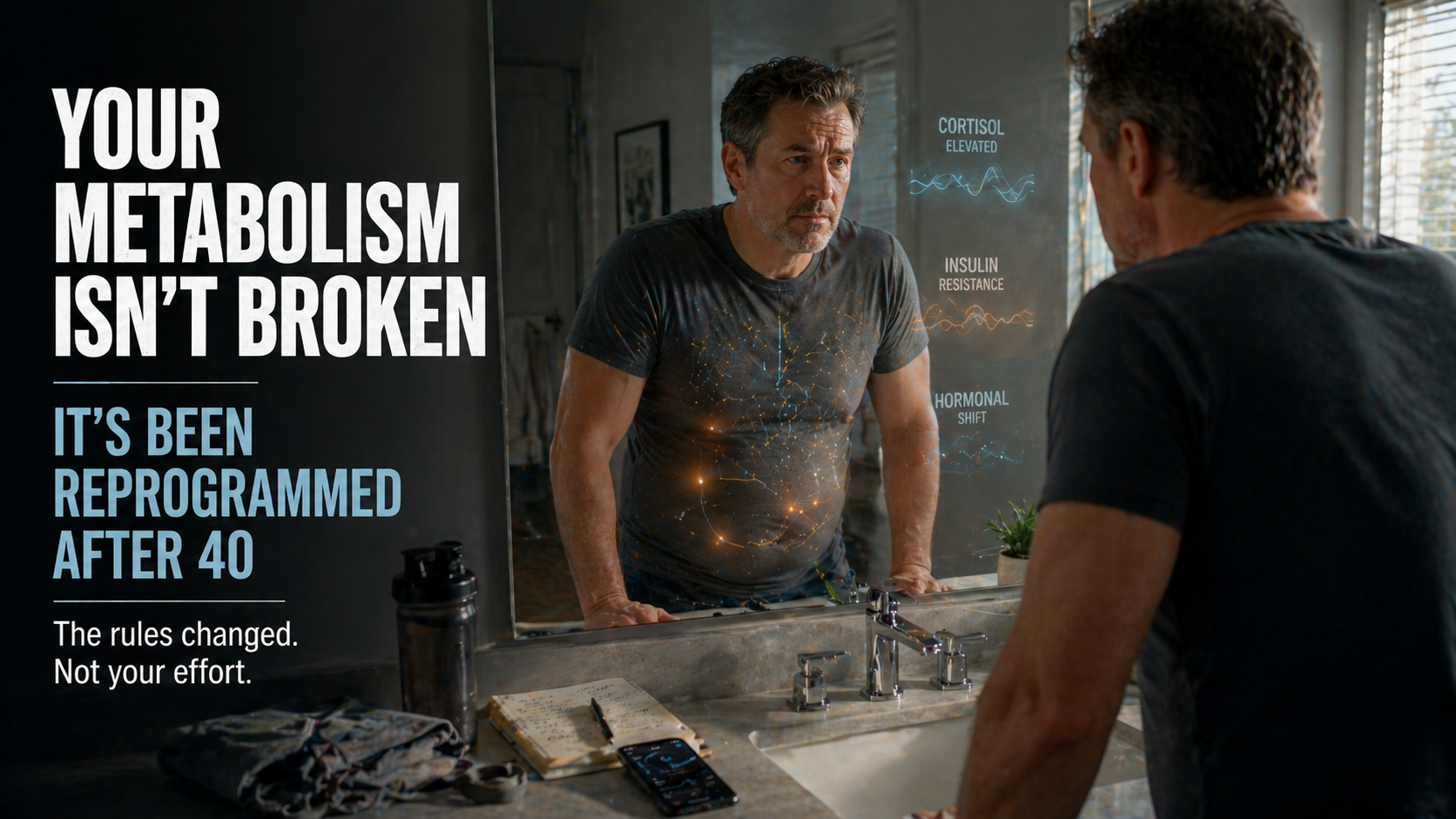
Most patients who walk into my office can recite the symptoms from memory: stubborn weight gain around the middle, crushing fatigue by 3 p.m., brain fog that makes simple tasks feel hard, sleep that never feels restorative, and cravings that hit at the worst possible times.
They almost always follow up with the same question:
"Why is this happening when my labs say everything is normal?"
Not sure which pattern applies to you?
Dr. Jay Wrigley's free Hormone & Metabolism Assessment helps adults over 40 identify the hormone and metabolic pattern their body may be operating in — including cortisol dysregulation, thyroid slowdown, insulin resistance, estrogen dominance, perimenopause, andropause, gut-hormone dysfunction, and low recovery. Educational, not diagnostic.
Take the Free Assessment →
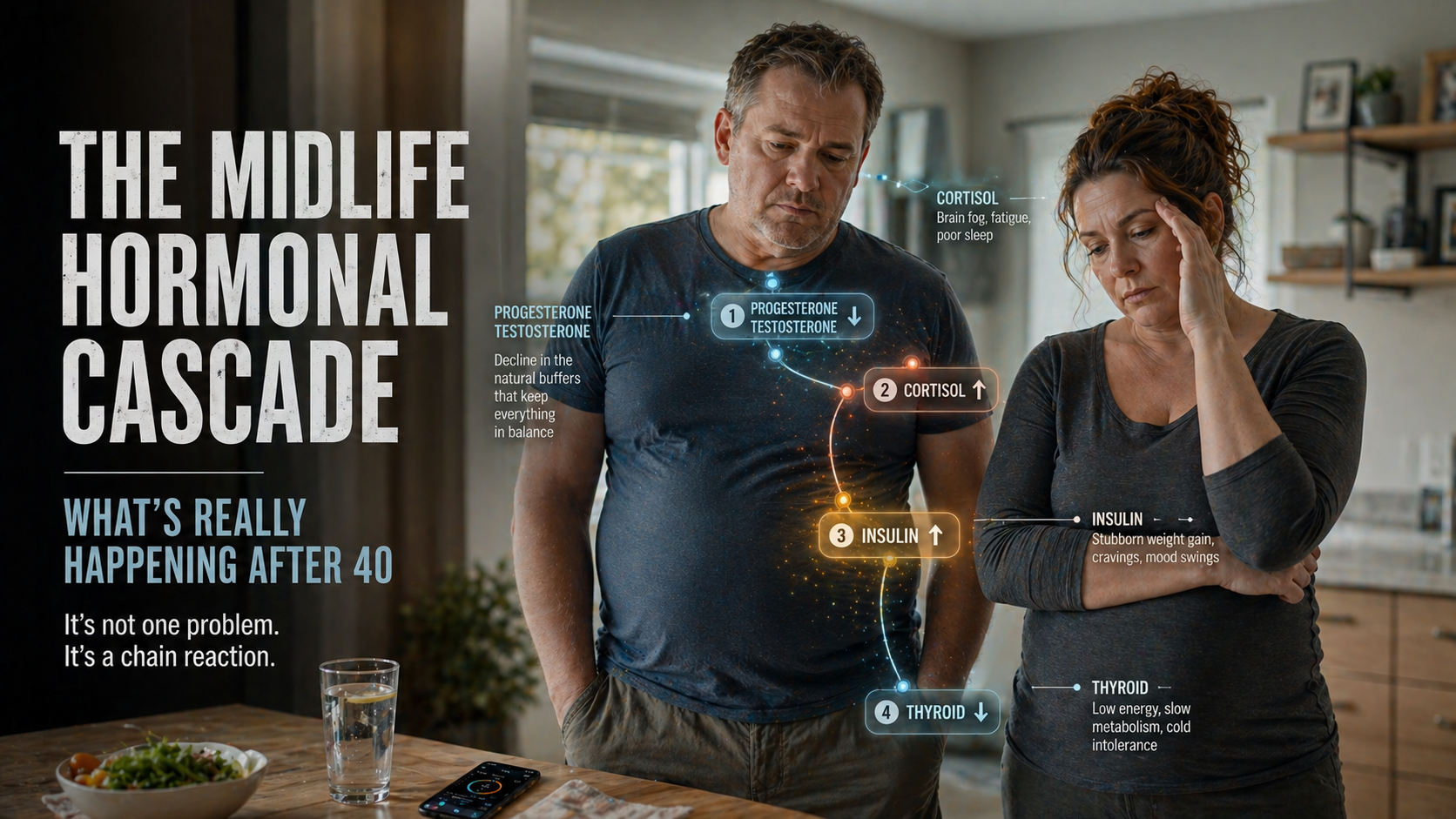
The answer is the Midlife Hormonal Cascade — a predictable, interconnected sequence of changes that conventional medicine rarely explains in full.
It begins quietly, usually in the early 40s, and accelerates through the 50s. One hormone shifts, which triggers the next, which triggers the next, until the entire metabolic system is operating under a new set of rules.
Here is the cascade as I see it every day in practice.
Step 1: The Loss of the Buffers — Progesterone and Testosterone Decline
In women, progesterone begins its steep drop first — often years before periods become irregular. In both men and women, free testosterone declines steadily. These two hormones act as natural buffers against stress and insulin. When they fall, the body loses its primary defense against cortisol and insulin spikes.
Step 2: Cortisol Takes Over
Without adequate progesterone and testosterone to buffer it, cortisol rises into chronic low-grade elevation. The body interprets this as a signal of ongoing threat and shifts into energy-conservation mode. Fat storage is prioritized, especially around the abdomen. Sleep becomes fragmented. Morning energy disappears.
Step 3: Insulin Becomes the Master Switch
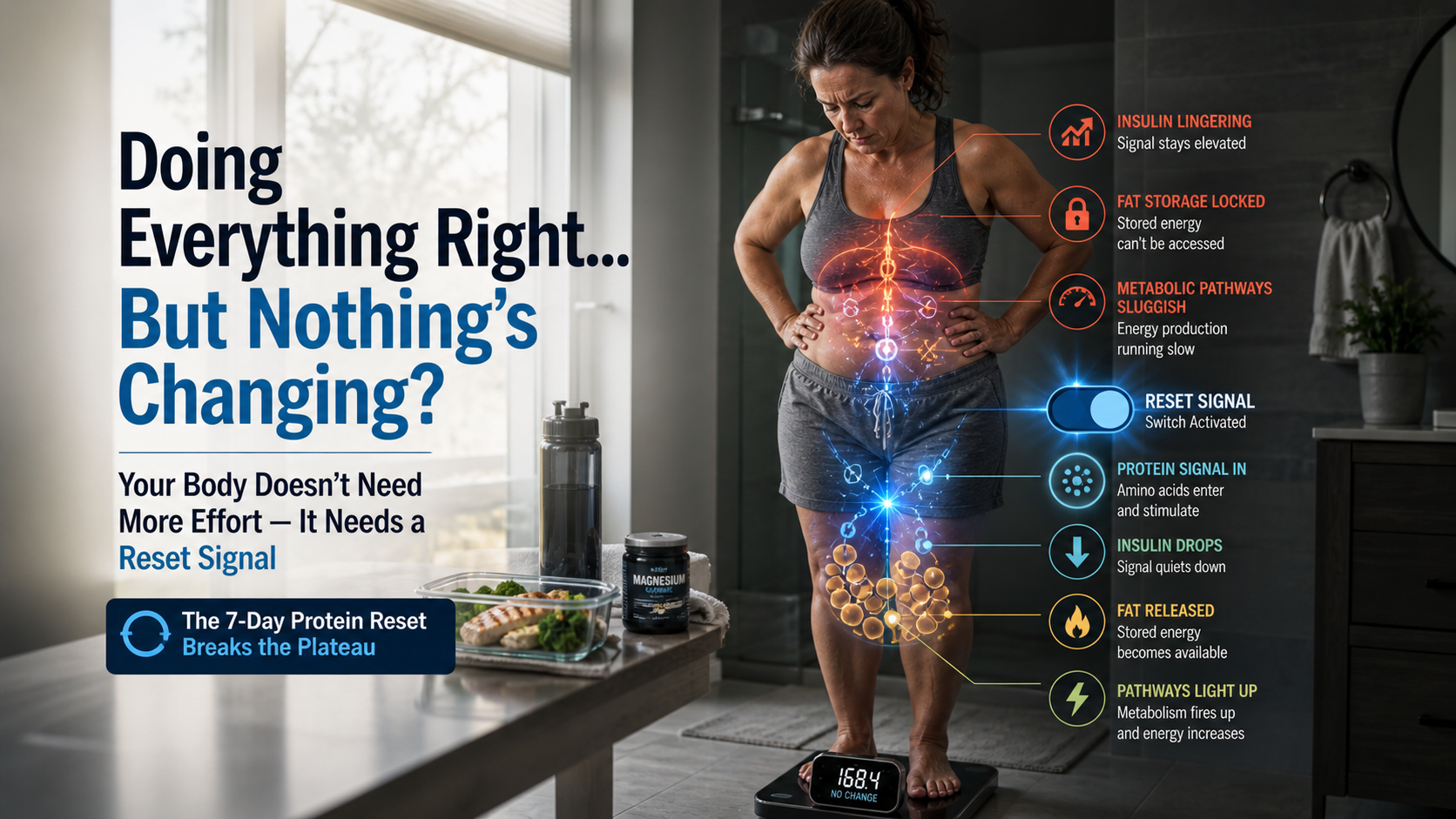
Elevated cortisol makes cells more resistant to insulin. The pancreas responds by producing more insulin. Higher insulin locks fat in storage and makes fat-burning almost impossible. This is why patients can be in a calorie deficit and still gain weight — the hormonal environment is literally instructing the body to store, not burn.
Step 4: Thyroid Function Down-Regulates
The body, now in perceived energy-deficit mode, reduces conversion of T4 to active T3 and increases reverse T3. Metabolism slows to conserve energy. Body temperature drops. Digestion slows. Energy production at the cellular level declines. This is why so many patients have "normal" TSH but feel profoundly hypothyroid.
Why Conventional Medicine Misses This
The cascade is not random chaos. It is a logical, protective response to a changing internal environment. Your body is not malfunctioning — it is adapting exactly as it was designed to.
The tragedy is that most conventional doctors look at each piece in isolation. They treat the symptom — prescribe an antidepressant for fatigue, a statin for rising cholesterol, or tell the patient to "eat less and move more" — without ever addressing the interconnected system driving all of it.
Addressing the Cascade at the Source
This is why the LCHPMF framework was developed. It does not chase individual symptoms. It addresses the entire cascade at the source: lowering insulin, supporting healthy cortisol rhythms, preserving muscle, and giving the thyroid the signals it needs to function optimally again.
Understanding the Midlife Hormonal Cascade is the first step toward real change. Once you see the pattern, the solution becomes obvious.
Your body is not broken. It is simply responding to a new set of instructions. The LCHPMF framework gives it the new instructions it actually needs.
Want to see exactly where your hormonal cascade stands? The 4-panel lab protocol I use in practice — including the DUTCH test for sex hormones and a full thyroid panel — will show you the complete picture your standard bloodwork is missing. Or book a consultation to review your results with me directly.
Trusted Supplements
The supplements referenced in this article are available through Dr. Jay's practitioner dispensary.
Professional-grade formulations — the same brands used in clinical practice. 15% off retail, permanently. No membership required.
Browse Trusted Supplements →